A shadowed archive

Briar & BoneConservatory

"A shadowed archive of plants, poisons, and forgotten green magic."

Enter the Conservatory

From the Conservatory

A selection of specimens — handle with knowledge.

Plant of the Month — May

Hawthorn

The May Tree
Botanical NameCrataegus monogynaTypeMedicinal & ProtectiveNative RegionEurope & Western Asia
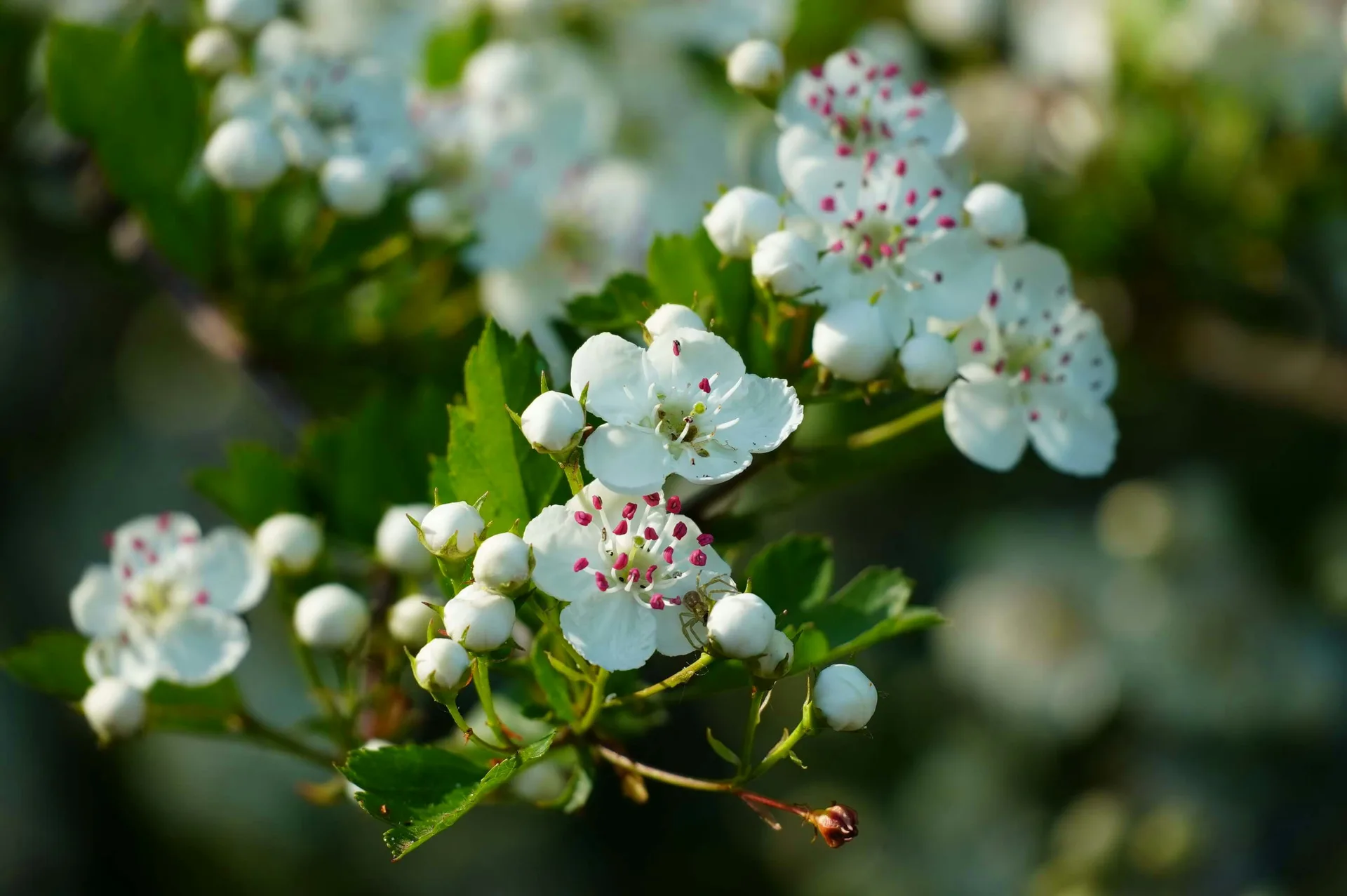
Close-up of hawthorn blossom — white five-petalled flowers with pink stamens and tight buds
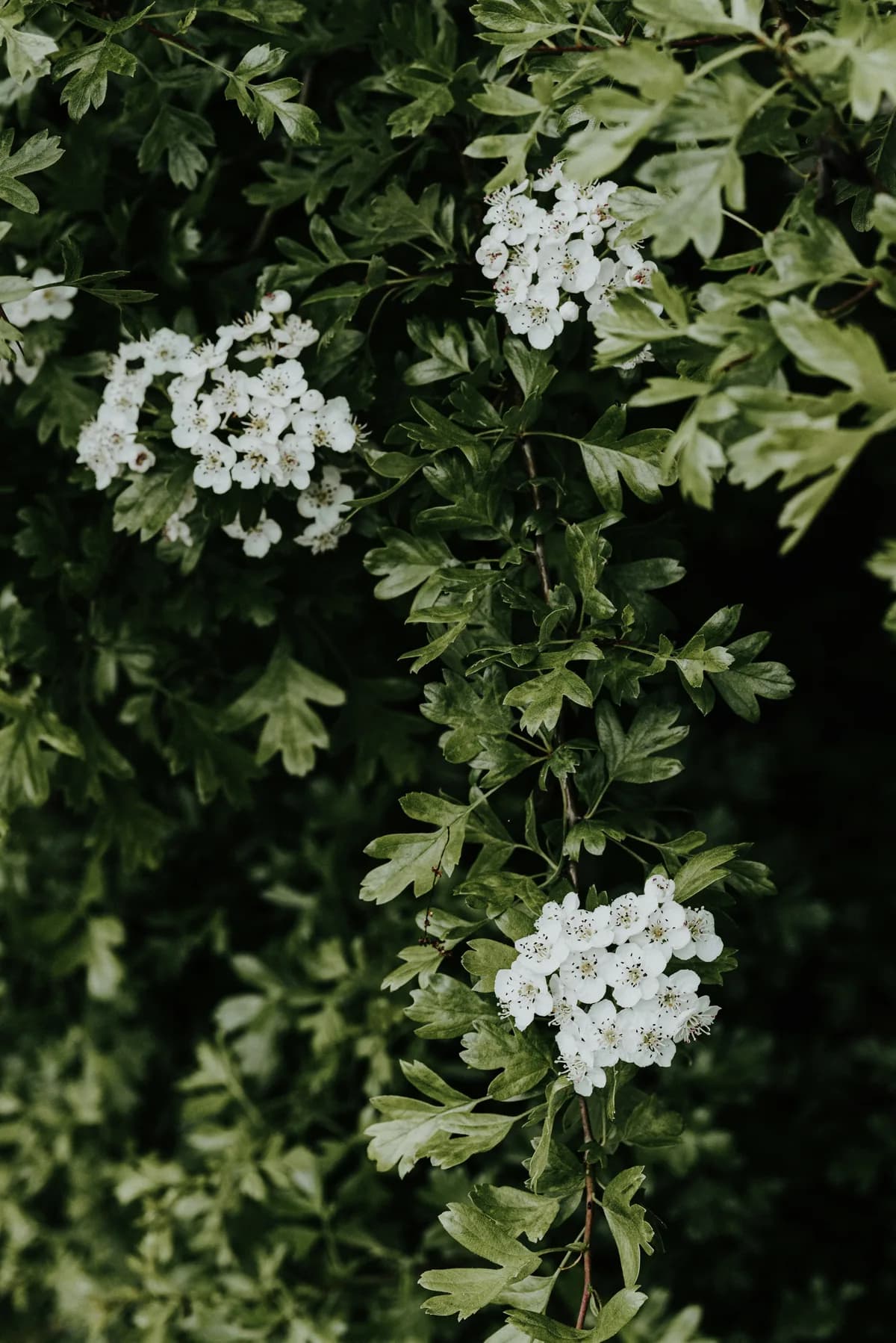
Hawthorn branch arching with clusters of white blossom against deep green foliage

Medicinal Use

The berries, flowers, and leaves of hawthorn are among the most extensively studied cardioprotective herbs in clinical literature — rich in flavonoids and oligomeric proanthocyanidins that strengthen and regulate the heart muscle. One of the few herbs where the folk tradition and modern pharmacology agree, though its genuine cardiovascular action makes it a caution alongside prescribed cardiac medicines.

Magical Use

Sacred to Beltane, hawthorn guards the threshold between spring and summer. Its blossom was never brought indoors before May Day — to do so invited death into the house. Solitary hawthorns in open fields were fairy thorns, untouchable. It is a tree for marking boundaries: between seasons, between the living and the dead, between what is safe and what lies just beyond the hedge.

Folklore Note

In Ireland and Britain, farmers ploughed around solitary hawthorns for generations rather than cut them down. Road engineers have rerouted roads. The prohibition persists into living memory. In Christian overlay it became the Crown of Thorns; the Holy Thorn of Glastonbury, said to have grown from Joseph of Arimathea's staff, flowers twice a year — and a cutting is sent to the monarch at Christmas.

The Beltane Threshold Rite

At dawn on May Eve, go to a hawthorn — in a hedgerow, a field edge, a churchyard. If you cannot find one, set a sprig of blossom in a window that catches the morning light. Tie a single strip of undyed cloth to a branch: an old practice, older than its name. Let it carry whatever you are ready to release into the new season.

As you do, whisper:

"Hawthorn, keeper of the hedge between — Take what was. Make way for what is green."

Leave the cloth. Do not untie it. What the tree holds, it keeps until the wind decides otherwise.

Coming to the Conservatory

June

St John's Wort

The Midsummer Herb

Gathered at its height on the longest day, hung above doors to turn back melancholy and dark spirits. A plant of light that knows the dark intimately.

Entry forthcoming

July

Yarrow

The Soldier's Herb

Called upon to stanch wounds on the battlefield and divine lovers in the bedchamber. A plant of the threshold between wound and cure.

View entry →

August

Mugwort

The Dream Warden

Before all other herbs, remember mugwort. A plant of the margins between sleep and vision, carried by wanderers and consulted by seers for a thousand years.

View entry →

From the Grimoire

Dispatches from the margins of herbalism and history.

Latest Entries

Recent dispatches from the archive, in order of arrival.

On Morels

The morel fruits once in spring, briefly, in places it does not announce. It appears in ash, in the disturbed ground beneath dying trees, at the edges of things. It vanishes before you have finished finding it. A study of the secretive spring fungus — its character, its history, and why the people who find it rarely say where.

Vinegar of the Four Thieves: On Plague Preparations and Survival

Four thieves were arrested in Marseille in 1722 and should, by every reasonable expectation, have been dead. They were not. What they carried — a vinegar preparation steeped with wormwood, rue, rosemary, and thyme — is one of the oldest documented herbal formulas in the Western record. A history of the preparation, its herbs, and how to make it.

On Protective Bundles: The Herbs of Warding

A protective bundle is one of the oldest pieces of magic in the European tradition — and one of the most reduced by modern presentation. A guide to making one properly: the herbs of warding, the philosophy of gathering, and what the knot closes.

Beltane: A Rite for the Threshold

The hawthorn flowers on May morning whether you mark it or not. A plant-centred guide to Beltane — the fire festival, the nine sacred woods, the morning dew, and the old magic of the threshold between spring and summer.

Witch Gardens Through History: From Monasteries to Moonlight

From temple groves tended by priestesses of Hecate to hedgerow plots hidden from inquisitors, the witch garden has always been a living act of remembrance. A journey through sacred soil, poison plots, and the secret magic of cultivated green.

The Poisonous and the Sacred: Why We Study Dangerous Plants

There is something intensely intimate about the plants that can kill — because they can also heal. They stand at the threshold of danger and remedy, the known world and the profoundly unknown. A study of why the poison path persists.

On Mugwort

Before all other herbs, remember mugwort. A tenth-century Anglo-Saxon charm said so, and the instruction has not been satisfactorily explained. A study of the dream herb — its history, its properties, and why it keeps appearing at the edges of things.

The Cunning Folk

They did not call themselves witches. They called themselves cunning — from the Old English for to know. A history of the village healers who kept their notebooks in code and their knowledge alive through centuries of suppression.

What Is a Botanical Grimoire?

From medieval herbals to Appalachian granny witches, plant grimoires have always existed. A guide to beginning your own — and what the green world might say back.

On the Doctrine of Signatures

For centuries, healers read the bodies of plants as a physician reads the body of a patient — shape, colour, and texture whispering their purpose to those who knew how to listen.

The Poisoner's Garden

Some gardens are built for healing. Others were built as warnings. A tour of history's most deliberate collections of the deadly and the dangerous.

For Those Who Speak the Language of Leaves…

About the Conservatory

Founded in shadow and soil, Briar & Bone Conservatory is a wild archive for the plant witch, the folklore seeker, and the green-handed curious.

Curated by Mira Lune, it explores the full spectrum of botanical existence — from healing roots and edible blooms to deadly herbs, ritual plants, and forgotten floral myth.

This is not a garden.
This is a reckoning with what grows unseen.

Learn more →
The interior of a shadowed botanical conservatory

Dispatches from the Archive

Receive New Entries

When a new specimen is catalogued or a Grimoire entry penned, word will find you — if you wish it.